
NETA U / EVERYDAY ELECTRIC
New & used
NETA U prices.
An electric SUV for the way you live.
Find the right version. Plan the ownership.
Vehicle-specific quotations from China.
New or unregistered stock requires separate availability, condition and support verification.
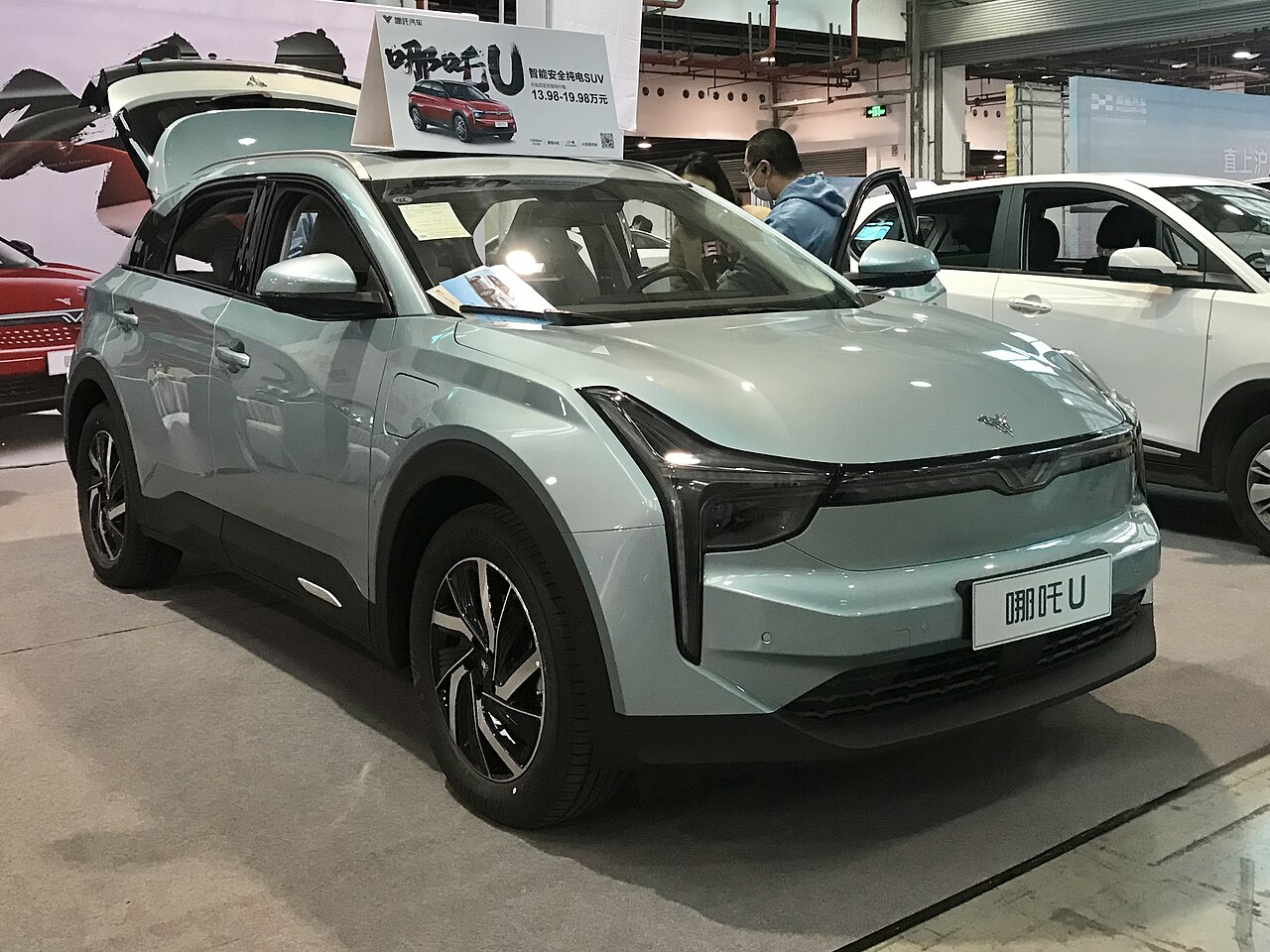
Historical motor-show image; display signage is not a current price offer. Ask for the selected vehicle's photographs and inspection file.
Used reference published 2 November 2026. Final price and included services depend on the selected car and written quotation. Freight, taxes and destination charges require separate confirmation.
01 / EVERYDAY ELECTRIC
Build the NETA U around your daily journeys.
The NETA U is a battery-electric SUV. Its usefulness starts with your route, passengers and a dependable charging arrangement, rather than a range number in an advertisement.
Start with a normal day and a demanding one.
Describe the regular commute or business route, then the longest day the vehicle must cover. Include road speed, hills, traffic, passenger load and heating or air-conditioning use. Leave room for diversions and an unavailable charger. A battery-electric car needs external charging; it does not have a petrol range extender to cover a gap in that plan.
Consider where the car waits as well as where it drives. Home parking, a workplace supply or a return-to-base fleet arrangement may provide a useful charging window. If public stations will do most of the work, check their locations, opening or access conditions, compatibility and pricing before buying.
Compare the whole operating routine.
Use your local electricity tariff and realistic charging losses when estimating energy cost. Public charging, parking fees, installation and downtime may change the result. A dashboard energy figure and electricity billed by a charger measure different things, so keep the basis of any comparison clear.
For several drivers, agree charging responsibilities, key access and the features that must remain consistent across vehicles. Use the charging checks and the support plan alongside the purchase price before deciding whether the U suits the job.
02 / IDENTIFY THE CAR
Make sure the proposed vehicle is the U you expect.
NETA U, U Pro and U-II descriptions need to be checked against the individual car. A translated listing or familiar badge is not a complete specification.
Request the VIN, identification labels, production information and registration documents. Match these with current photographs and the seller's proposed specification. Keep production date separate from first registration and reconcile any difference before accepting an offer. NETA X is not an automatic substitute for a U; compare another model as a separate proposal.
| Record | What to confirm |
|---|---|
| Vehicle identity | VIN, production labels, registration status and declared history. |
| Battery and charging | Installed pack identification, inlet photographs and matching technical information. |
| Equipment | Fitted features, working functions, keys, accessories and modifications. |
Keep the meaning attached to the number.
Nominal battery capacity, usable energy and energy available in the present battery are different measures. A test-cycle range, dashboard estimate and measured journey result also answer different questions. Ask which version and method a quoted figure belongs to; do not transfer a newer version's result to the car being offered.
The US$5,000–8,000 reference concerns used NETA U sourcing. A new or unregistered request needs documentary stock, storage, registration and support checks before a separate quotation. Neither unused status nor a historical brochure proves current factory supply or warranty. Compare the written quotation scope as well as the vehicle.
03 / PEOPLE AND EQUIPMENT
Check how the cabin works for your passengers.
Seating, luggage access and everyday controls deserve an operating check. Do not assume that every NETA U has the same comfort, screen or assistance equipment.
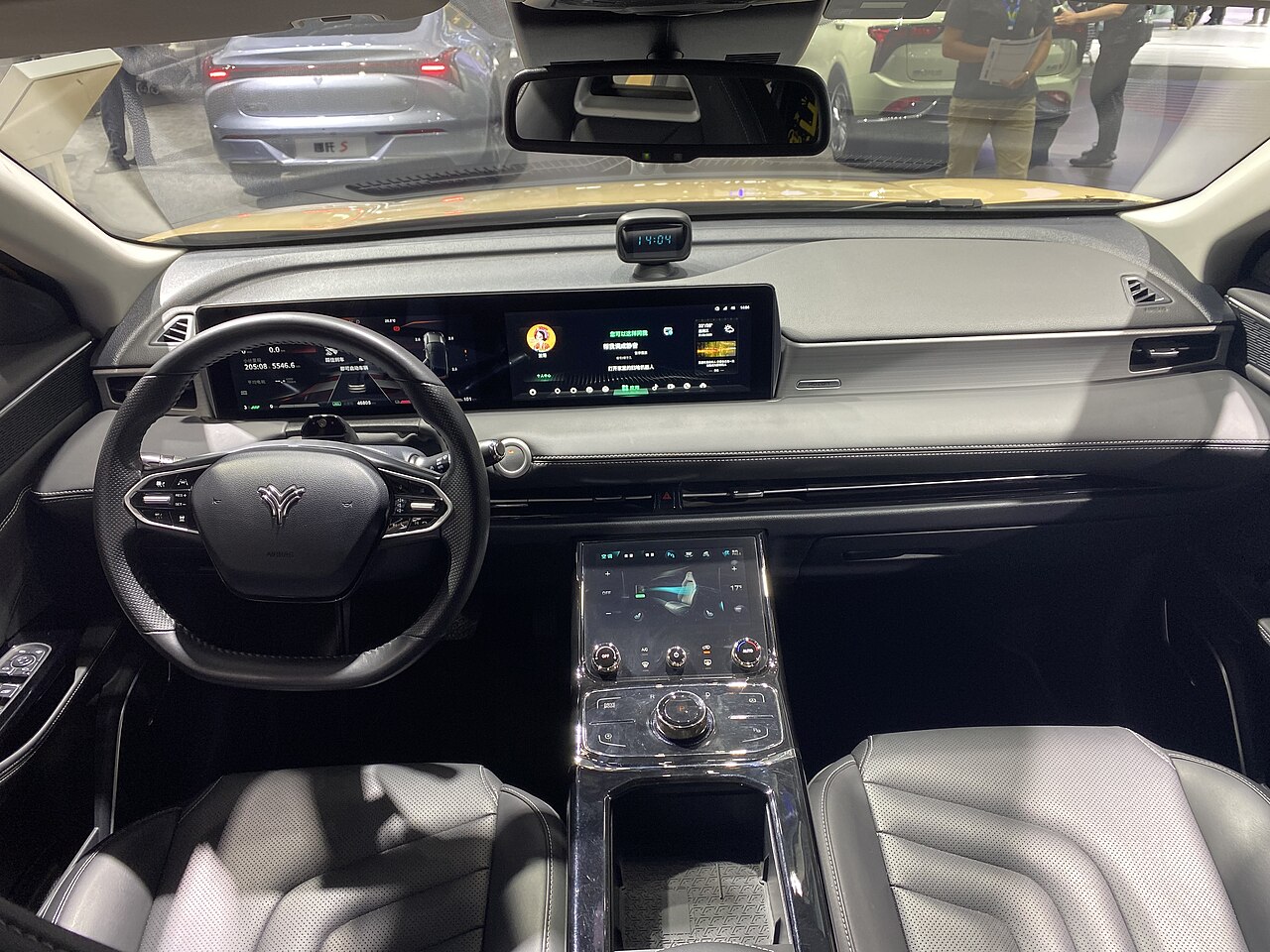
Ask for current front-seat, rear-seat and luggage-area photographs. Describe child-seat needs, regular business passengers or equipment carried for work. Check entry, seat adjustment, rear space, storage and the actual luggage arrangement. If a particular item must fit, request relevant measurements on the selected car rather than relying on a model-family dimension.
Verify features through use.
Test air conditioning, windows, locks, mirrors, lights and seat controls. Check screen language, phone pairing, cameras and parking functions. Where driver-assistance equipment is fitted, confirm its operation and discuss relevant repair or calibration records. A feature listed in an old brochure is not evidence that the individual car has it or that it works correctly.
Distinguish factory equipment from aftermarket changes. Ask whether a replacement screen, added accessory or other modification affects controls you need. Check the keys and any supplied charging equipment before agreeing the handover.
Essential access and driving functions should be demonstrated using the proposed physical keys and intended offline workflow. Treat account transfer, remote commands, navigation and online updates as separate dependencies. Review software and service support if a connected function is important to your purchase.
04 / THE BATTERY FILE
Read the battery evidence, not just the charge display.
A useful assessment identifies the installed pack and explains the diagnostic method, conditions and remaining uncertainties. A dashboard charge percentage is not a health certificate.
Connect the report to this vehicle.
Request a dated report tied to the VIN and battery identification. Ask which control units were accessible, whether present or historical faults were recorded and whether codes were cleared before inspection. Where the tools support it, a qualified technician can interpret battery-management data, cell or module voltage differences, temperature behaviour and charging observations.
A state-of-health percentage without a method is difficult to compare. Agree the procedure and interpretation if a usable-capacity test is proposed. A short road test may reveal operating concerns, but it does not measure every aspect of capacity or eliminate every battery risk.
Include the enclosure and the low-voltage system.
Have suitable personnel inspect the pack enclosure, mounting areas and underside for impacts, corrosion, water exposure and previous repair. Review cooling-system findings and any replacement paperwork against the installed hardware. Check applicable campaigns by vehicle identity and ask for completion evidence where relevant.
The 12V battery has a separate role from the traction battery and needs its own check, especially after storage. An unexplained warning or a car powering up does not settle which system is healthy. High-voltage inspection and repair require trained personnel; resolve unanswered findings with the inspector before accepting the car.
05 / THE CHARGING PLAN
Match the actual U to the equipment you will use.
Identify the inlets, electrical requirements and operating method before shipment. A plug shape alone cannot establish a compatible charging arrangement.
Check AC and DC separately.
Request inlet photographs, charging labels and the appropriate vehicle information. If the selected China-market car uses GB/T equipment, assess that exact configuration against your destination supply and charger. Confirm voltage, frequency, phase, current limits and the onboard charger with a qualified installer. A station's advertised rating does not establish the power the car can accept.
AC operation does not prove DC operation. Check the intended network's connector, communication and access requirements. Do not assume a physical adapter solves protocol or protective-function differences. Any proposed conversion needs specialist assessment and acceptance for the intended use.
Ask for an operating record.
A charging test should identify the vehicle, charger, starting charge level, relevant temperatures, observed behaviour and faults. Charging rate changes with battery state, temperature and limits imposed by the vehicle or equipment, so a brief peak is not a guaranteed session time.
Demonstrate starting, stopping and unlocking a session, including the intended offline method. Confirm which cables or portable equipment are included. Send your destination and charger types in your enquiry, and arrange local installation advice before budgeting for home or workplace charging.
LOOK CLOSER
Inside the cabin.
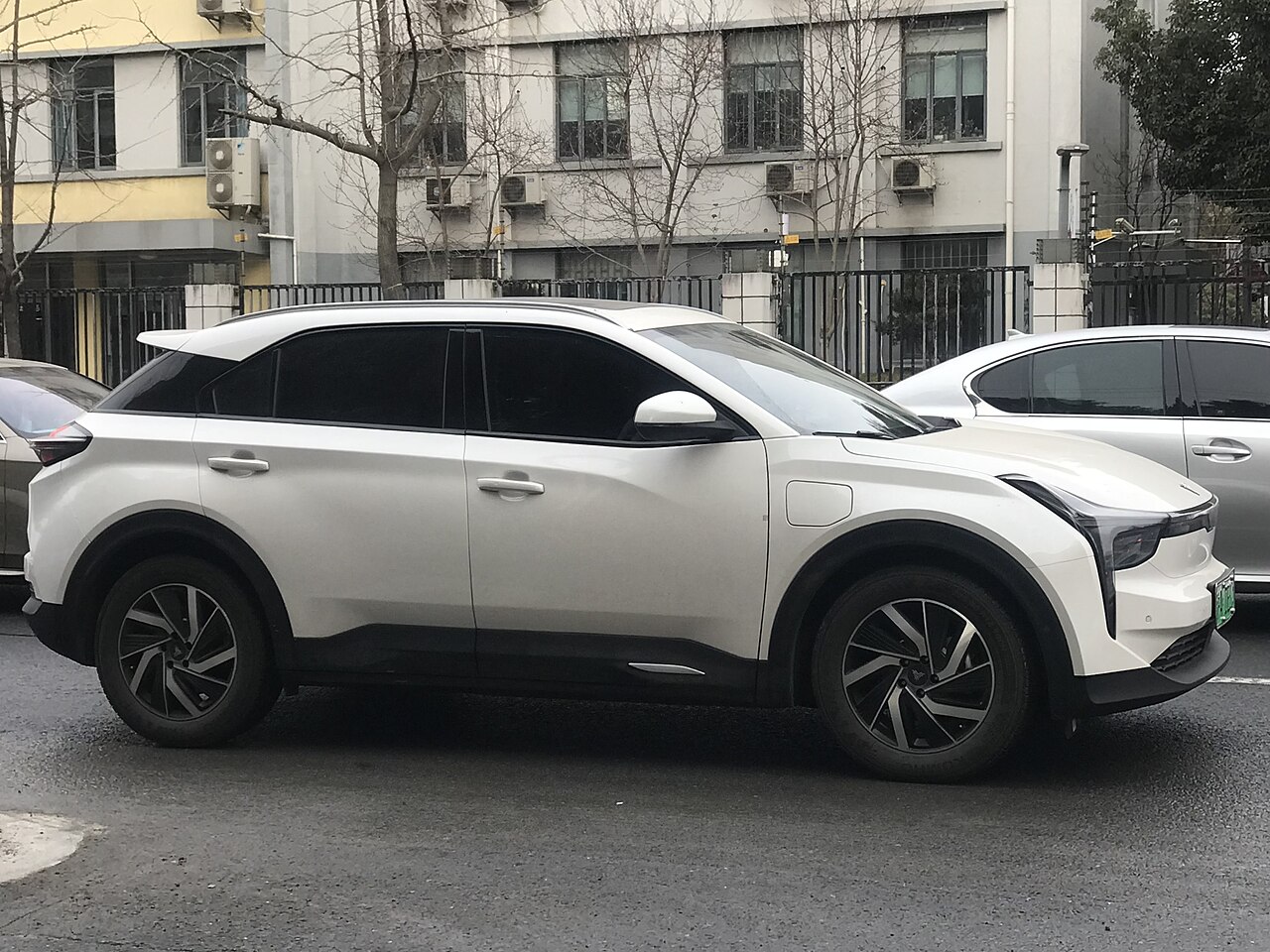
Alongside the car.
These photographs show reference vehicles. Equipment, condition and accessories must be checked on the car you are considering.
06 / THE CONDITION FILE
Inspect the whole NETA U.
Battery evidence matters, but it is only part of the vehicle assessment. Connect the VIN, history, physical condition and operating checks before accepting a car.
Start with identity and the underside.
Match the VIN and production labels to the documents and proposed specification. Ask for dated exterior, cabin, under-bonnet and underbody photographs. An inspector familiar with electric vehicles should examine the battery enclosure, mounting areas, protection and surrounding wiring for impacts, damage or corrosion. A clean underside does not explain earlier repairs.
Review structural areas, panel repairs, suspension points and tyre wear. Check low cabin areas, connectors and cavities for possible water exposure. Compare the odometer with service entries, historical records and wear rather than accepting the displayed number alone. Ask which areas were inaccessible and which conclusions still need investigation.
Record what the car actually does.
Test steering, braking, suspension, air conditioning, locks, windows, lighting and the fitted cameras or assistance functions. Confirm the keys, charging equipment and accessories included. A road test should record warnings, unusual noise, vibration and operating conditions; it should complement the battery assessment and separate AC/DC charging checks.
For a fleet purchase, retain a separate report for every VIN. Agree acceptance criteria, preparation work and how incomplete tests or substitutions will be handled. A promise to repair an item is different from a dated completion record. New or unregistered proposals also need storage, battery-care, transport-damage and registration checks.
07 / AFTER ARRIVAL
Build a support plan before buying.
A suitable NETA U needs a practical route for diagnosis, parts and repair in your destination. Establish the current arrangements rather than relying on historical sales information.
Hozon has entered reorganisation proceedings. The court-registry notice provides business background; it does not confirm current factory supply, working connected services, parts availability or warranty support for your purchase. Verify the present arrangements with the named provider.
Find the people who can support the exact version.
Give a prospective workshop the VIN, version, battery identification and available fault report. Confirm its high-voltage competence, diagnostic access and the work it can perform locally. A scan tool recognising the model does not establish access to every control module, battery test or programming function.
Discuss parts by VIN and part number. Ask about availability, compatibility, delivery estimates and return conditions for charging components, electronic modules and body parts as well as consumables. Where coding or calibration is required, identify who can complete it. Confirm which original manuals and service records will accompany the car. A component advertised for another NETA model or market should not be treated as interchangeable without checking the correct identification and installation requirements.
Check software dependencies and service responsibility.
Test essential functions with the supplied physical keys and the intended offline workflow. Verify account transfer, screen language, phone connection and any functions dependent on an app, network or remote service. An old feature list does not prove that connected functions will work for the next owner abroad.
Obtain any proposed warranty from the named provider in writing, with territory, coverage, exclusions and claims procedure. Agree who supplies inspection, preparation and after-sales services in the purchase contract. Panda's independent sourcing role should not be confused with a manufacturer or authorised-dealer commitment. Include foreseeable first-service work and unsupported repair risks in your budget.
08 / THE QUOTATION
Use US$5,000–8,000 as a starting point.
This is a used NETA U reference range. Ask for an individual vehicle and written service scope before treating it as a purchase budget.
| Purchase route | What needs confirming |
|---|---|
| Used NETA U | Actual vehicle, version, condition, history and equipment within a defined quotation. |
| New / unregistered stock | Documented availability, production and storage history, registration status and support terms; a separate price. |
| Delivery | Included services, freight, insurance and destination costs for the agreed route. |
The reference does not establish stock availability, an Incoterm or a delivered price. Ask whether inspection, preparation, inland transport and export handling are included. Freight, insurance, duties, taxes, port fees, clearance and registration remain unconfirmed until the relevant scope is established.
Compare offers on the same basis. A lower number can reflect a different battery version, repair needs, missing accessories or weaker evidence. Organise quoted amounts in the per-vehicle cost worksheet, avoiding double counting included services. Check the quotation date, validity period and currency basis, especially when comparing proposals received at different times. Allocate shared shipment charges consistently if buying several vehicles. Add your priorities and acceptable compromises to your enquiry.
09 / THE DELIVERY FILE
Connect the vehicle to your destination.
Confirm eligibility, charging and transport arrangements before committing. Export preparation in China does not itself guarantee registration abroad.
Check the intended import.
Give a qualified destination broker the exact car details. Check age, registration, steering position, conformity and any applicable EV requirements. Confirm the intended registration category and the documents needed for that vehicle.
Agree the purchase and acceptance.
Record the identity or specification, quantity, condition, price, payment stages and acceptance process. Identify responsibilities for inspection, preparation, export handling, insurance and clearance. If using a delivery term, specify its named place.
Confirm documents and carrier acceptance.
Agree the route-specific invoice, vehicle records, export/customs and transport paperwork with the relevant providers. Check translations, inspections or certification with your broker. The carrier must accept the EV and its battery condition; damaged or faulty vehicles may require different arrangements.
Plan the handover.
Record condition, keys, accessories and charging equipment before loading. Review insurance scope and exclusions, arrival clearance and collection. Treat transport dates as provisional until the relevant booking is confirmed. Agree how any arrival damage, missing item or difference from the accepted condition file should be recorded and reported to the responsible provider.
10 / QUICK ANSWERS
Questions before your first enquiry.
Start with the decisions that affect the vehicle, its price and its practical use.
Does US$5,000–8,000 include shipping?
It is a used-vehicle reference range. Ask for an itemised quotation; freight, insurance and destination costs are not established by that range.
Can I request a new NETA U?
Yes, as a new or unregistered stock check. Availability, storage, registration and support require verification. Current factory supply or manufacturer warranty is not assumed.
Can I choose mileage, colour and equipment?
Share preferences and firm limits in the enquiry. Compare proposals against the actual vehicle documents, photographs and condition report before agreeing a specification.
Is every NETA U the same as a NETA X?
No. Do not substitute another model's specification. Establish the exact U version and identity using the vehicle records.
Will a charging adapter solve compatibility?
Physical fit alone is insufficient. Verify the actual AC/DC equipment, electrical and communication compatibility, and a suitable local setup with qualified specialists.
What should I send first?
Send your destination, quantity, condition preference, budget, year and mileage preferences, essential equipment and delivery scope. Include an email address or WhatsApp number for a reply.
11 / THE COST NOTEBOOK
Give every cost a place.
Work on a one-vehicle basis. Enter amounts you have been quoted and divide any shared shipment cost appropriately. This worksheet adds your figures; it does not calculate duties or generate a freight offer.
Vehicle allowance only. Three other cost categories have not been entered.
A blank means unknown, not free. Avoid counting included services twice. Convert all entries to USD on a consistent basis and budget separately for any local charging installation or service needs.
This is a planning subtotal, not a verified landed price. Entries are shared only when you add them to your enquiry and submit it.
12 / START YOUR NETA U ENQUIRY
Tell us about
your next electric SUV.
Share your destination, intended use and essential requirements. Panda can discuss a suitable used NETA U proposal or verify a new/unregistered stock request separately, with the actual vehicle and delivery scope confirmed in writing.
Prefer a direct conversation? Use either WhatsApp number or email Panda with your destination and vehicle requirements.
Privacy & enquiry information How your details are used +
When you select Send enquiry, your name or company, contact information and chosen vehicle requirements are sent to Panda through our enquiry service. We use these details to reply, clarify the specification and discuss your requested sourcing or export services. Relevant information may be shared with parties needed to prepare your requested quotation or service.
The optional WhatsApp and Email links open the chosen service with a message for review. You decide whether to send it there; those services handle information under their own policies. Please leave passwords, payment credentials and identity-document images out of an initial enquiry.
For questions, corrections or deletion requests, email info@pandausedcars.com. Information needed for an active enquiry, a transaction or applicable recordkeeping may need to be retained. This page does not load third-party analytics. Notice dated 2 November 2026.